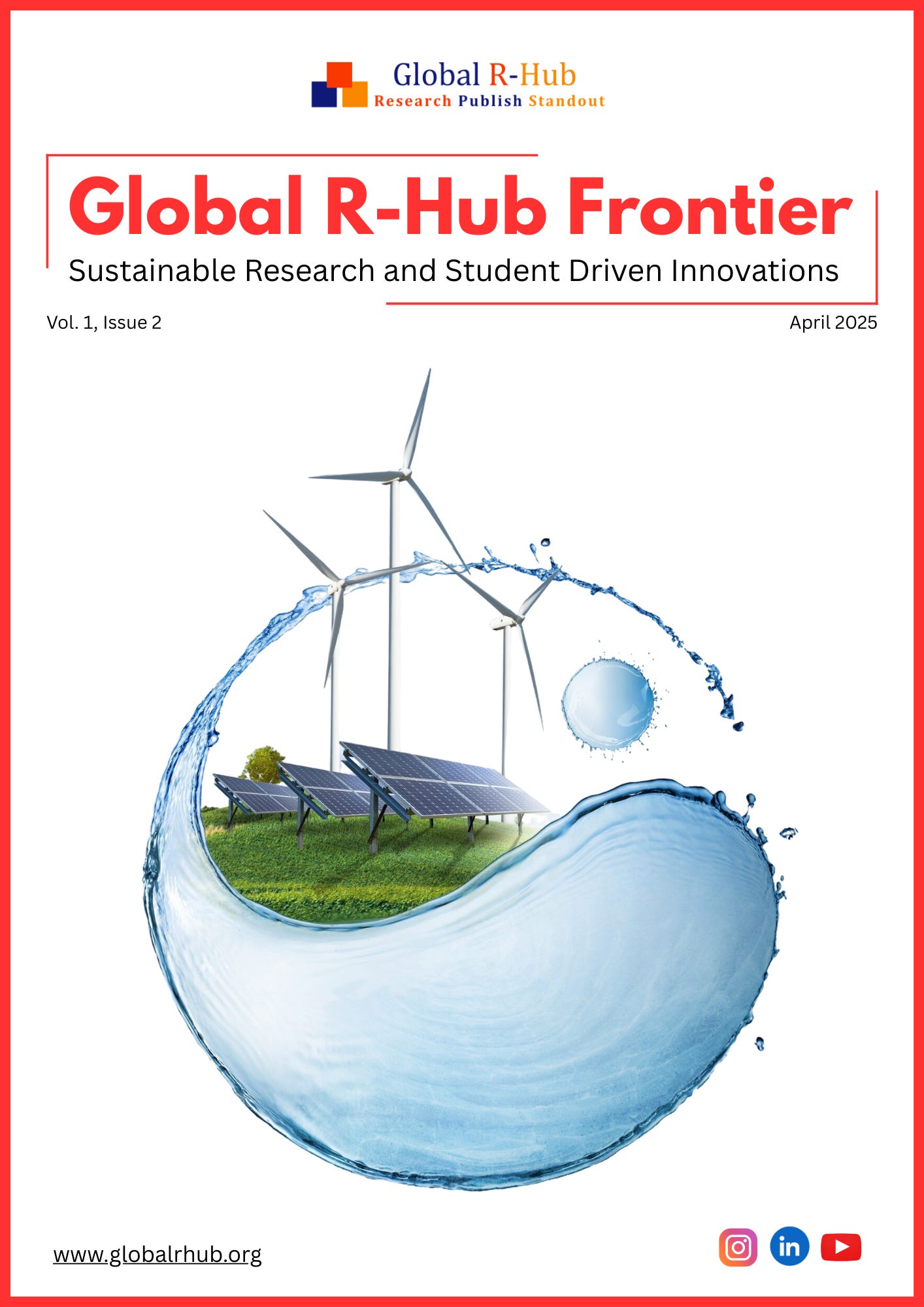
Global R-Hub Frontier
Vol. 1, Issue 2, April 2025

From Editorial Board

By Abhishek Jaiswal
PGDIM, IIM Mumbai, Lead Product Manager, Globus Learn Corp
The Looming Impact of Artificial Intelligence on Society: A Call to Reflection
AI has been in development for decades. Once a cool cinematic gimmick, it now stands on the cusp of revolution. Touching healthcare, education, travel, judicial system and beyond. We’ve never felt so empowered yet vulnerable by our own creation. The time is now ripe to reflect on the profound implications it can have for our society as a whole and how we can prepare for it.
Everyday life:
AI has the potential to impact our daily lives, be it through technological breakthroughs such as democratizing art and creativity or improving our health. In healthcare, AI can help us to manage chronic illnesses like heart failure, reducing hospitalizations and saving money. An autonomous card could help elderly people travel around with ease.
Ethical Concerns and Sustainability:
AI often mirrors human biases rather than achieving neutrality. Amazon scrapped an AI hiring tool for favouring men, while facial recognition shows racial bias, risking entrenched inequality. Though AI aids climate modelling, its massive energy use (like NVIDIA GPUs) creates a sustainability paradox. Without transparency and responsible development, these systems may deepen social divides while straining environmental resources. The challenge: harness AI’s potential while addressing its ethical and ecological costs.
Social and Cultural Shift:
AI has shaped how we connect, communicate and create. AI-driven social media algorithms have already begun to create a more polarized society. It is unfortunate that AI-trained content recommender tools create ‘echo chambers’ which leads to further polarization. The role of AI in art and music production has only recently started to take shape. While this creates excitement for the future, it also challenges human creativity and the sustainability of these vocations.
Human Identity and Meaning:
As AI advances, it is challenging human identity and questions our existence. Over the long term, if AI reaches anywhere near human capabilities, it can redefine what it means to be a human.
Conclusion and Future Outlook:
We are already noticing the impacts of AI on industries which was never imagined, such as healthcare, travel and art. While it offers immense potential, unchecked development could lead to economic inequality and societal disruption. The choice is ours, act now, demand balance, and preserve what makes us human.
Big Global Research News
1. Geopost's Commitment to Net Zero by 2040
Geopost has set an ambitious goal to achieve Net Zero greenhouse gas (GHG) emissions by 2040. In February 2023, it became the first global parcel delivery company to have both its near- and long-term science-based targets approved by the Science Based Targets Initiative (SBTi).
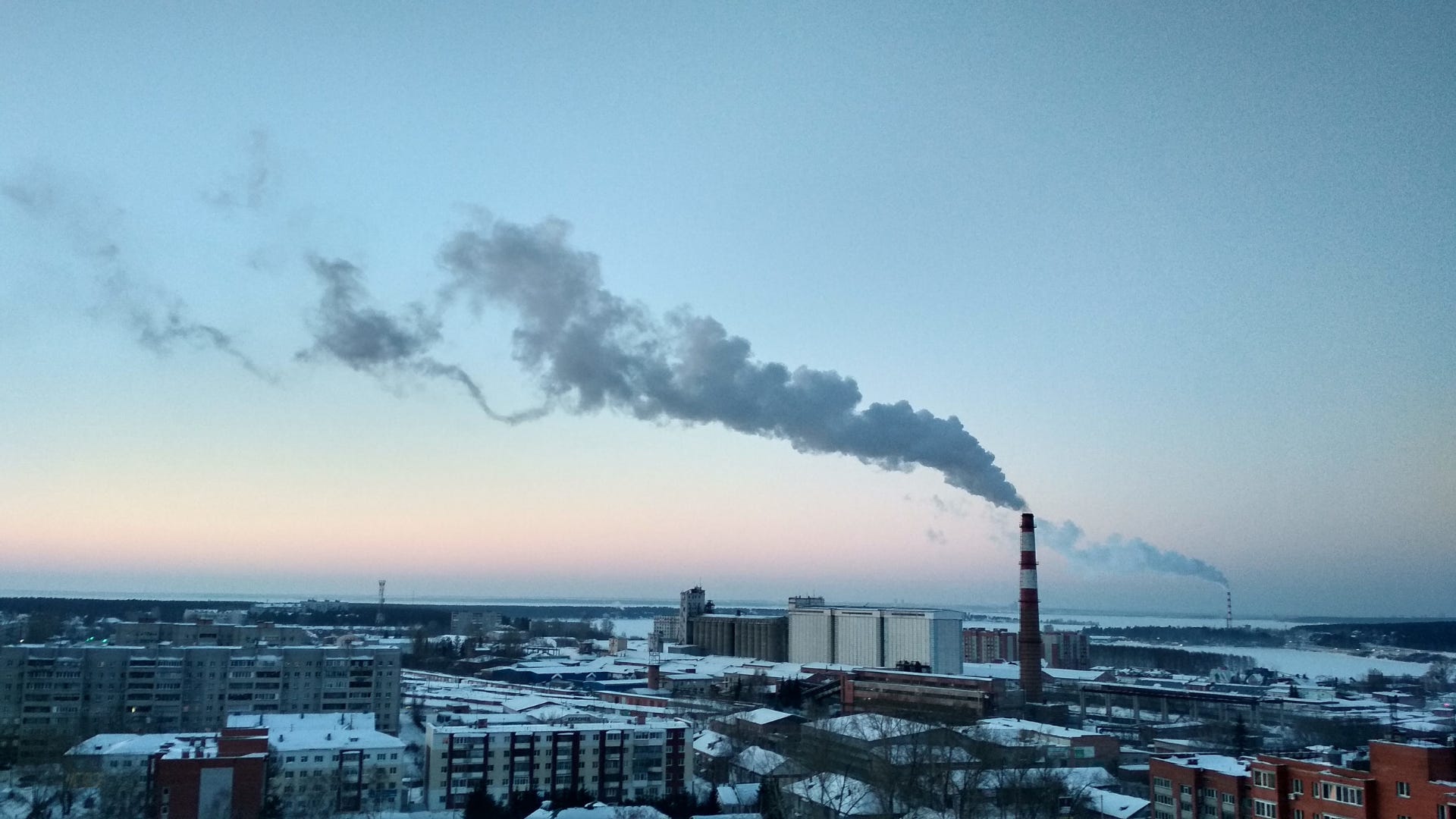
The company aims to reduce absolute GHG emissions by 43% by 2030 and by 90% by 2040, compared to a 2020 baseline. By July, emission delivery solutions in 126 European cities achieved a 7.8% reduction in carbon emissions in the first quarter of 2024.
https://www.geopost.com/en/news/geopost-wins-sustainability-strategy-award/
2. Sustainable Business Strategies: Patagonia’s Ethical Model
Patagonia is a pioneer in sustainable business practices, integrating environmental and social responsibility into its core operations. The company prioritizes circular economy principles, including the Worn Wear program, which promotes product repair and resale.
Patagonia also sources sustainable materials like recycled polyester and organic cotton while actively engaging in fair labor practices and corporate activism. Its 1% for the Planet initiative funds environmental causes, reinforcing its commitment to ethical business.
(Gao et al., 2025), https://doi.org/10.1002/tie.21917
3. Environmental Fallout of Kakhovka Dam Destruction
The Kakhovka Dam collapse during the Russo-Ukrainian war has triggered a severe environmental crisis. Beyond the immediate flooding, new research reveals a deeper threat—widespread toxic contamination from exposed reservoir sediments. These pollutants endanger freshwater, estuarine, and marine ecosystems, jeopardizing biodiversity and water quality.
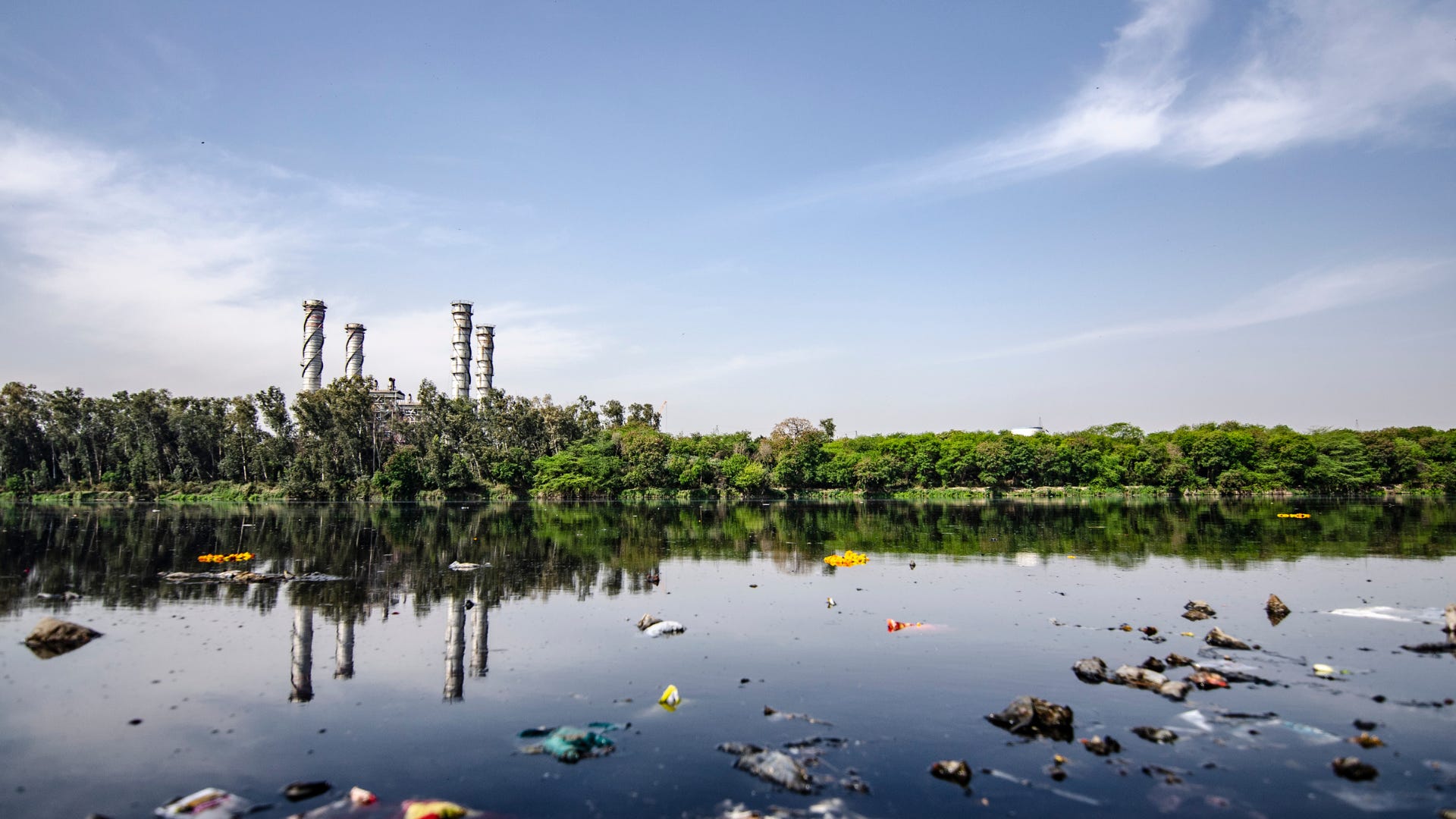
Using field data, remote sensing, and modelling, scientists are mapping the disaster’s scale and monitoring recovery. The incident underscores the growing risk of weaponizing water in industrialized regions, posing serious threats to environmental security and sustainability.
https://www.science.org/doi/10.1126/science.adn8655
4. Forest Carbon: Restoring Nature Through Carbon Offsetting
Forest Carbon leads the way in nature-based carbon solutions, helping businesses achieve net-zero goals by funding woodland creation and peatland restoration projects.
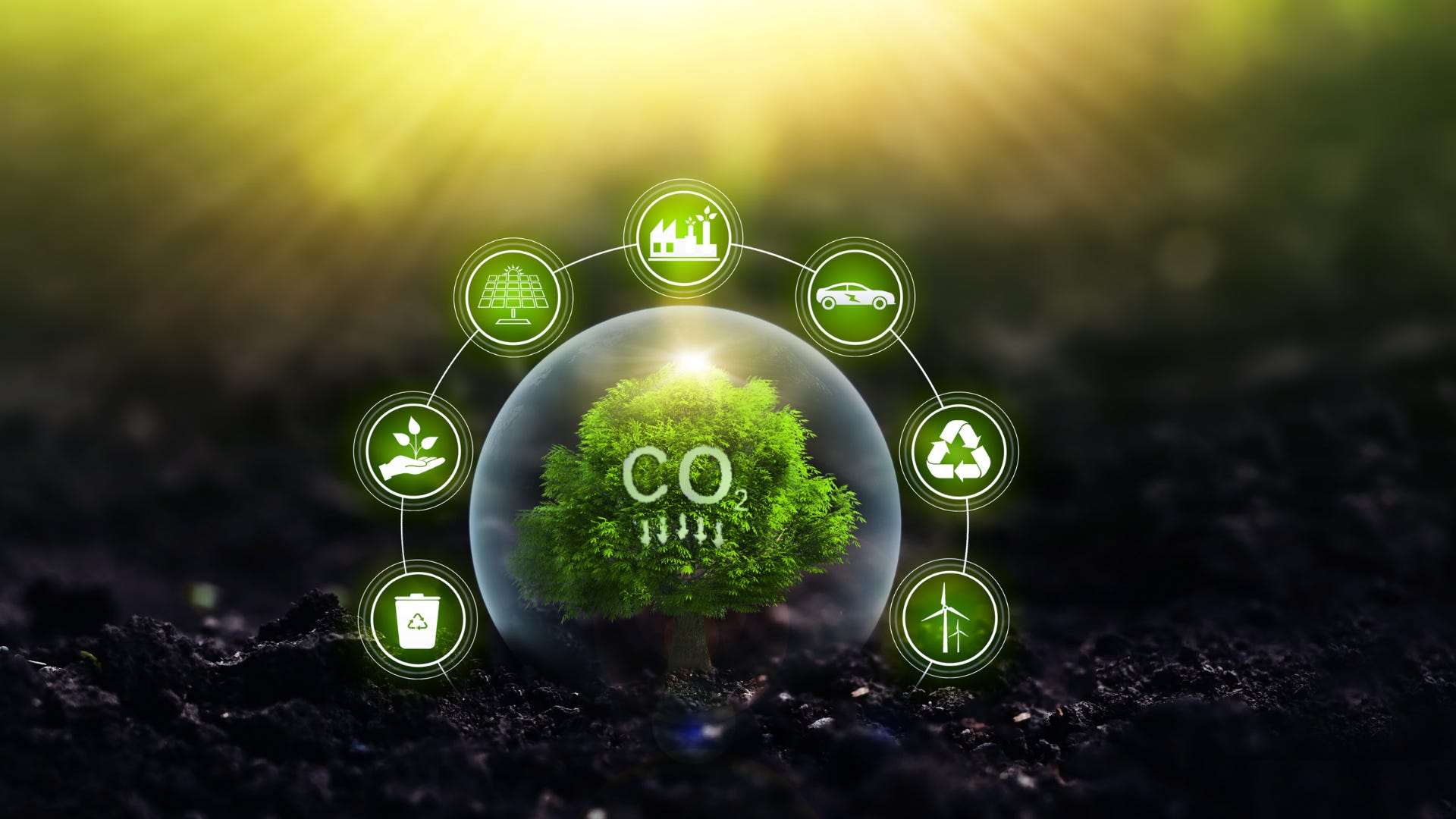
By working with landowners and organizations, they capture CO₂, restore biodiversity, and enhance ecosystems across the UK. Their projects align with the Woodland Carbon Code and Peatland Code, ensuring verified and high-quality carbon offsetting efforts that contribute to a greener future.
https://www.forestcarbon.co.uk/about/our-story
Expert Mentor’s Corner

Arun Reddy
M.S. & B.S., Carnegie Mellon University, Co-Founder, Globus Learn Corp
Transforming Agriculture Through Regenerative Farming
In an era marked by climate change, declining soil fertility, and increasing food demand, regenerative agriculture is sparking a remarkable transformation in sustainable farming. Rather than emerging overnight, this revolutionary approach is the result of persistent curiosity, experimentation, and meticulous research conducted by dedicated individuals worldwide.
Gabe Brown, a farmer in North Dakota, USA, illustrates how research-driven experimentation can lead to sustainable farming breakthroughs. After facing droughts and financial hardship in the 1990s, Brown adopted regenerative practices such as no-till farming, diverse cover cropping, and rotational grazing. Years of careful trials and observations turned his degraded land into a thriving, self-sustaining ecosystem, proving that data-backed methods can enhance both productivity and soil health.

In India's Araku Valley, research-guided regenerative agriculture is revitalizing local biodiversity and farming practices. Through collaborative local and international studies, communities adopted agroforestry, intercropping, and organic composting, tailored to their region. This transition, driven by continuous research, improved soil quality, boosted farmers' incomes, and gained global recognition for sustainable, high-quality organic coffee production.

Australia offers another example of how systematic research drives sustainability. Charles Massy, a farmer and researcher, conducted field studies on regenerative grazing. His research demonstrated that such practices significantly improve soil carbon sequestration, enhance drought resilience, and restore ecosystem balance—turning struggling farms into sustainable, thriving operations.
These cases highlight how research is the backbone of sustainable agricultural innovation. Crucially, the potential for impact is not limited to scientists, students can also play a key role. By conducting experiments, analysing local farming challenges, or exploring sustainable practices, student researchers can contribute valuable insights to the global sustainability movement. Ultimately, regenerative agriculture underscores that meticulous, research-based innovation is essential for creating lasting, sustainable solutions, empowering farmers, students, and scientists alike to drive positive change for the planet.
Impact of Student Research
1. Fighting Plastic Pollution: Haaziq Kazi's Remarkable Invention
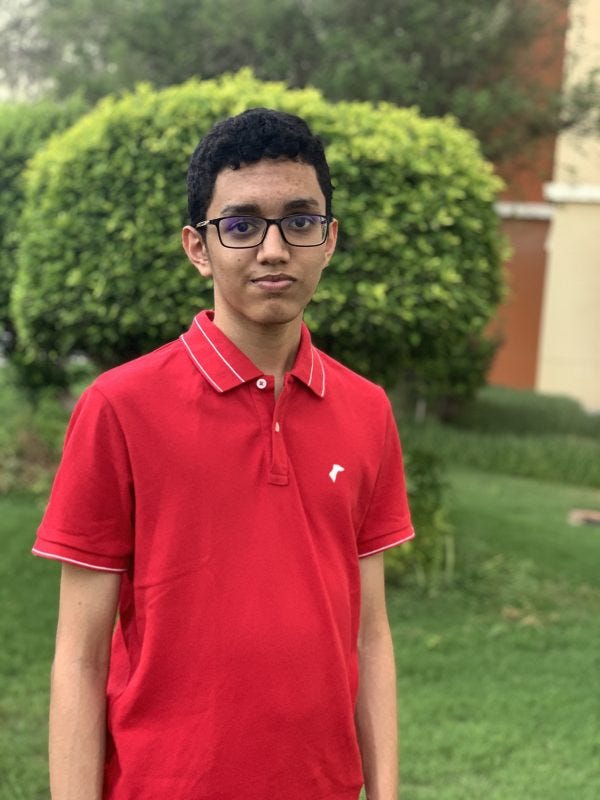
At just 12 years old, Haaziq Kazi designed ERVIS, a ship prototype aimed at reducing ocean plastic pollution. The vessel uses centrifugal force and filtration to suck in, segregate, and dispose of plastic waste from the ocean. His invention gained global recognition, and he was invited to speak at TEDx events and international forums, inspiring action against plastic pollution.
2. Championing Ocean Cleanup: Boyan Slat’s Research-Driven Innovation
At just 18 years old, Boyan Slat combined scientific research with innovation to tackle ocean plastic pollution. Through extensive research, he founded The Ocean Cleanup, developing a floating barrier system capable of capturing and extracting plastic waste. His data-driven approach led to the removal of over 60 bags of plastic from the Great Pacific Garbage Patch in 2019. Slat’s groundbreaking research earned him the UN Champion of the Earth award, highlighting how scientific inquiry and innovation can drive real-world environmental solutions.
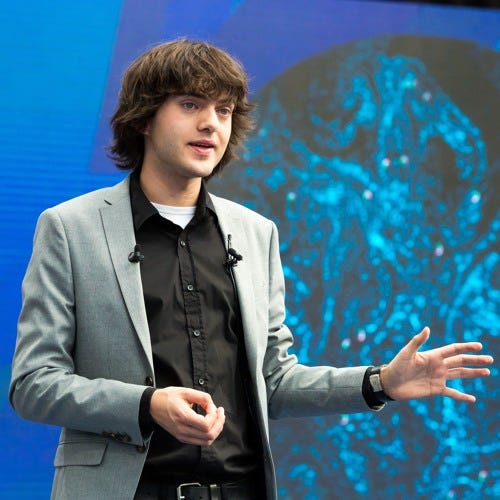
Revolutionary Ocean Cleanup by Champion of the Earth Boyan Slat kicks off
3. Tackling Air Pollution with Research: Satyam Thakur’s Clay Pot Innovation
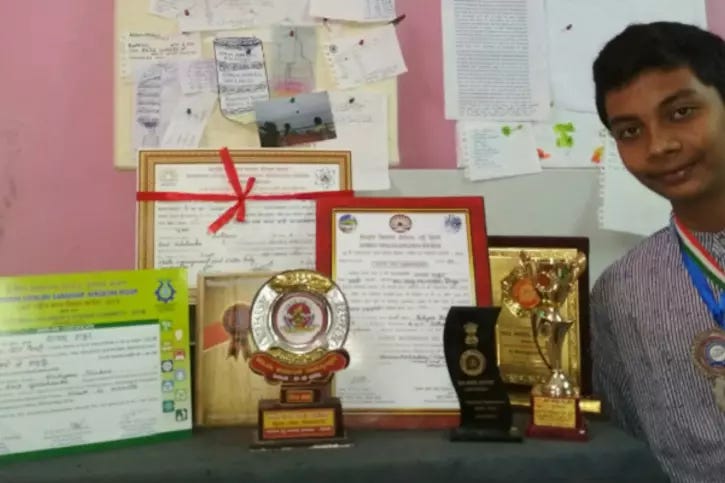
At just 16 years old, Satyam Thakur applied scientific research and experimentation to combat air pollution. The Class XI student developed an innovative solution using clay pots lined with activated charcoal to filter harmful pollutants from the air. Through rigorous testing, he demonstrated that this low-cost, eco-friendly method can effectively reduce air contamination. His research-based project showcases how scientific curiosity and creativity can lead to practical, impactful solutions for global challenges.
Research Spotlight: Global R-Hub Student Project!
Analysing Key Performance Metrics in the NBA: A Statistical Comparison of Team Efficiency Over Seven Seasons
Student: Adish Reddy | Mentor: Dr. Neharika Shrivastava, Ph.D. | Global Faculty: Dr. Shivendu S.

One of our Global R-Hub students has undertaken an exciting research project analysing the performance metrics of NBA teams over multiple seasons. By leveraging statistical techniques, the study examines key indicators such as field goal percentage (FG%), free throw percentage (FT%), assists (AST), personal fouls (PF), disqualifications (DQ), steals (STL), turnovers (TO), and blocks (BLK) to assess team efficiency.

The research provides valuable insights into how these metrics influence overall team success, highlighting trends and variations in performance across different teams. Through data visualization techniques like bar charts, the study offers a comparative analysis, enabling a deeper understanding of what drives success in professional basketball. This project underscores the growing importance of data analytics in sports performance evaluation and showcases how research can be used to uncover patterns and trends in professional leagues. It exemplifies the opportunities at Global R-Hub, where students apply analytical skills to real-world scenarios, producing meaningful and impactful research.
Did you know?
1. Did you know the fashion industry is racing in the wrong direction?

Vogue Business reports emissions are rising despite 2030 reduction targets—and closing the $1 trillion green tech funding gap could flip the script.
2. Did you know that sustainability is the new competitive advantage?

The Financial Times found that companies embracing eco-models aren’t just saving the planet—they’re outpacing rivals as markets shift.
3. Social Sustainability: Did you know sustainability is a public health power play?
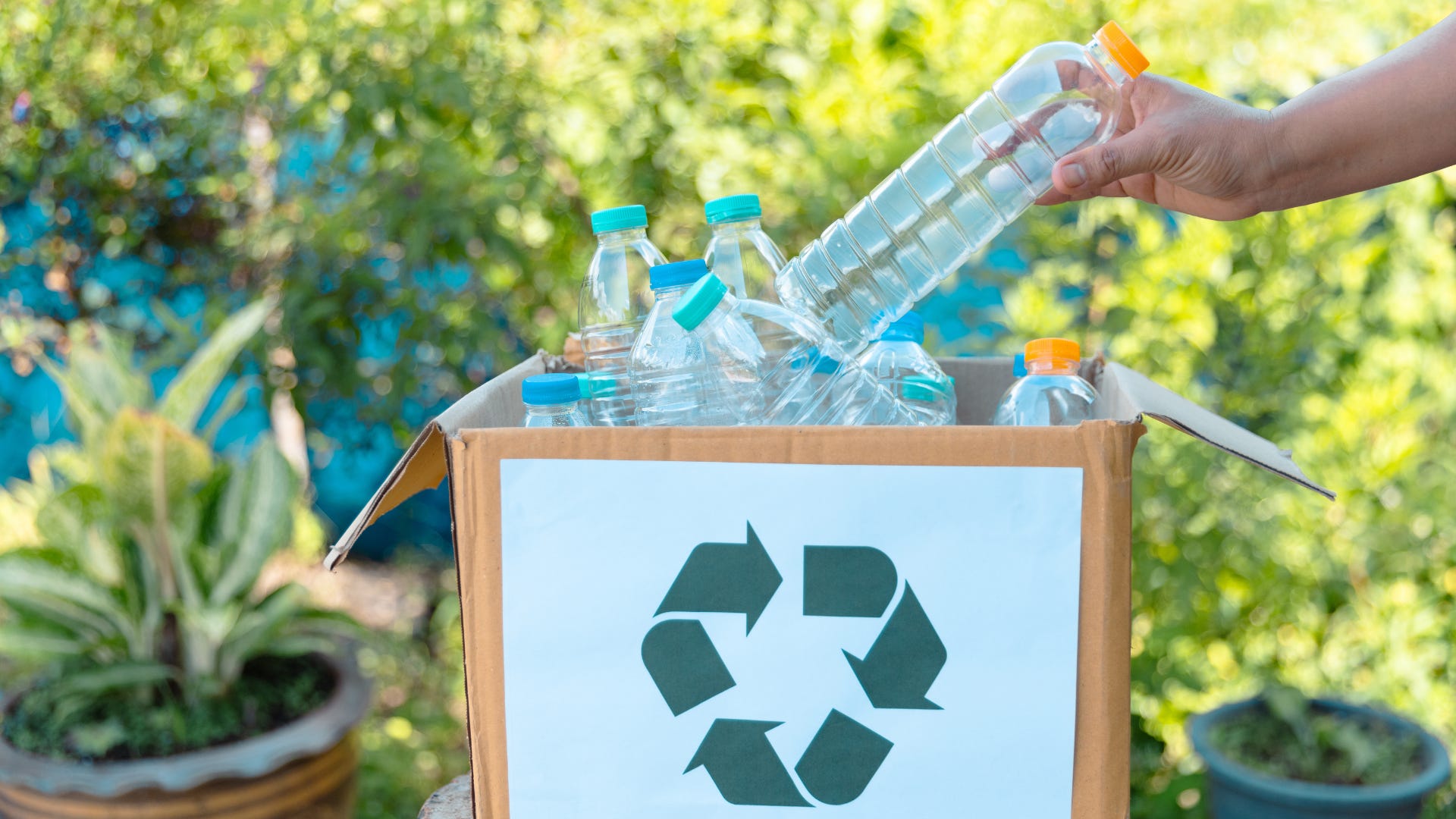
Unity Environmental University highlights how waste reduction and cleaner air are silently upgrading education, equality, and lifespans worldwide.
Unity Environmental University
4. Did you know the world's trash could be worth $1.5 trillion?

WIRED reveals how innovators are transforming food scraps into biofuels and construction waste into smart bricks - turning our garbage crisis into the next gold rush.
Global R-Hub Updates
1. New This Time: Research Made Easy with Research Support Program

Struggling to get your research publication-ready? Global R-Hub’s Research Support Program offers expert guidance at every stage, helping professionals and researchers produce high-quality, impactful work.
Who is it for?
Professionals (doctors, lawyers, policymakers, engineers) seeking structured support for research execution. Researchers needing assistance with data analysis, interpretation, and reporting.
Our Services:
Core Support: Statistical data analysis and hypothesis testing.
Advanced Support: Data visualization and results write-up.
Turnkey Support: End-to-end support for analysis, writing, and publication submission.
Accelerate your research journey with the Research Support Program!
2. Podcast Alert: Human + AI = The Future of Collaboration

Dr. Wan-Lin Hu
Associate Scientist, Stanford University, SLAC National Accelerator Laboratory

Our latest Global R-Hub Podcast is live!
In this thought-provoking episode, host Arun Reddy chats with Dr. Wan-Lin Hu, an expert in human- machine interaction. They dive into:
The rise of AI-driven automation and its real-world impact.
Why human oversight is essential for trust and transparency.
Strategies for seamless human-AI collaboration in industries like energy and healthcare.
Key Takeaway: Dr. Hu envisions a future where AI amplifies human potential, urging students and professionals to embrace this evolving field.
Tune in now to our YouTube channel and stay ahead in the AI revolution!
Mentors & Global Faculties:
Assistant Professor, Colorado State University

Specializes in health IT and healthcare analytics, employing machine learning and econometric techniques. He takes a data-driven approach and uses machine learning models and econometric techniques in his research. Teaches data mining and analytics at graduate and undergraduate levels.
Assistant Professor, University of South Florida (USF)

Research interests include organizational routines, technology adoption, business analytics, and enterprise systems development. His work has been published in the Journal of Information Systems Education, and he currently serves as the technical editor for the Journal of Information Systems Education.
Ph.D. in Biotechnology, Marie-Curie PhD Fellow (University of Muenster Germany)


Marie-Curie Ph.D. Fellow from the University of Muenster, Germany, with an M.S. in Biotechnology from Uppsala University, Sweden. Dr. Sharma is a biologist specializing in human reproduction, gut biology, neuroscience, and bioengineering. Her research focuses on gametogenesis and fertility preservation, having developed ex vivo primate models during her Ph.D. and a microfluidics-based organ-on-chip system in her postdoctoral work. An award-winning scientist, she is dedicated to advancing health technologies to combat diseases.
Thank you for being part of Global R-Hub’s journey towards transforming research and innovation. With every edition, we strive to bring you inspiring stories, impactful insights, and the latest updates from the world of research. Keep innovating, keep growing, and stay tuned for more exciting updates in our next edition!
Want to explore our programs or create your research journey with us? Connect with us and be part of the global research revolution! You can reach out to us at: globalresearchhub@globuslearn.com